

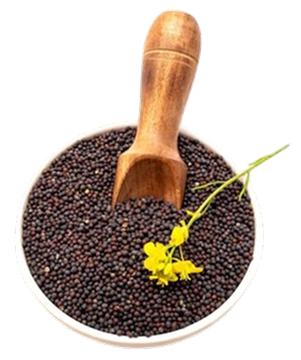
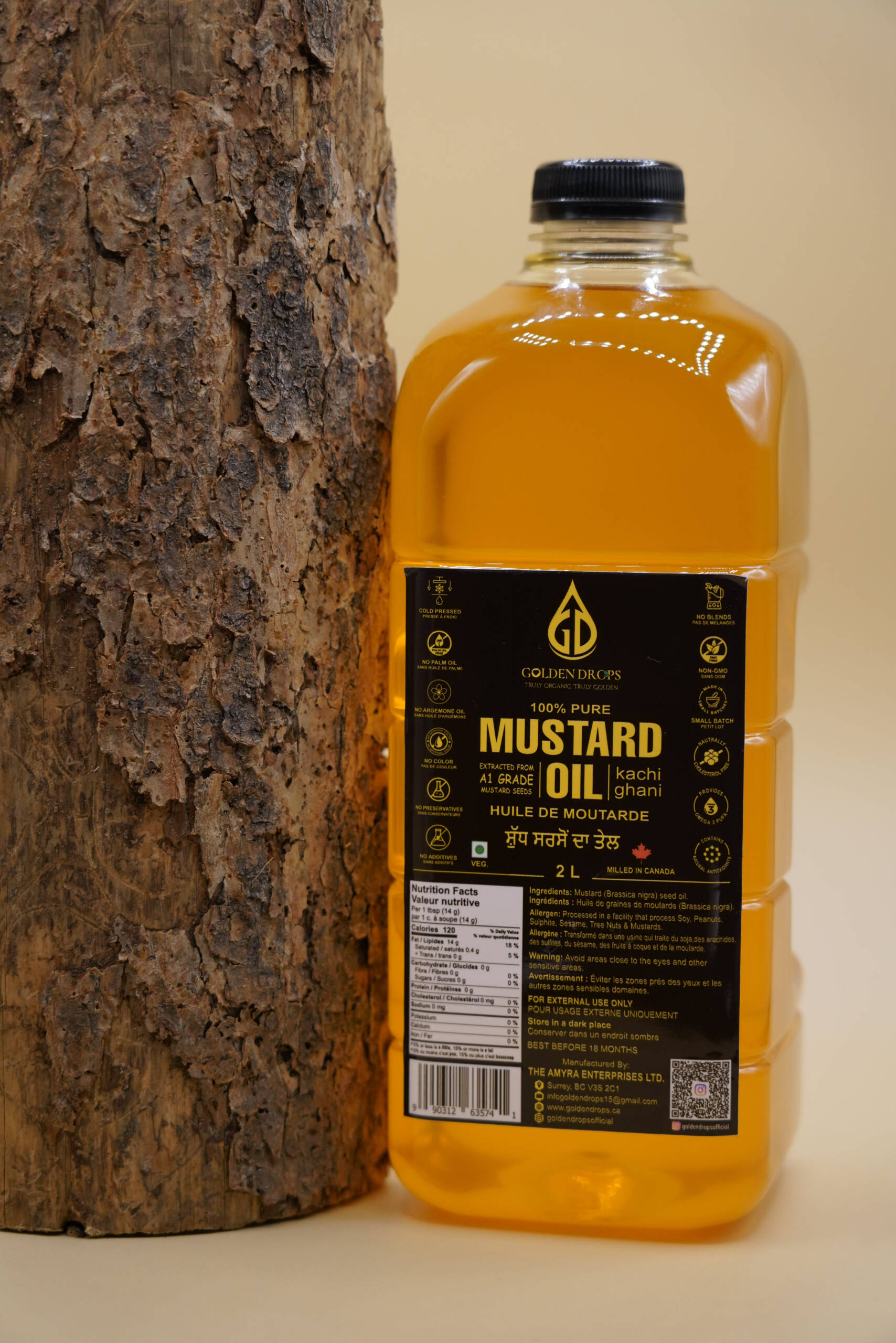
Mustard oil has been a trusted ingredient in Indian households for centuries, known for its distinctive pungent flavor, golden hue, and numerous health benefits. But in today’s health-conscious world, one term is gaining a lot of attention when it comes to oils — cold-pressed. So, what exactly is cold-pressed mustard oil, and how is it different from the regular refined version? Let’s dive deeper.
Cold-pressing is an oil extraction technique where mustard seeds are crushed at a low temperature (below 50°C) without using external heat or harmful chemicals. This traditional process ensures that the natural nutrients, antioxidants, and aroma of the oil are preserved.
In contrast, refined oils undergo high-heat processing and chemical treatment, which strip them of many health-boosting compounds.
Pure & Natural Extraction
No chemicals, preservatives, or external heat used.
Retains its natural aroma and sharp taste.
Nutrient-Rich
Packed with monounsaturated and polyunsaturated fatty acids (MUFA & PUFA).
High in omega-3 fatty acids, vitamin E, and natural antioxidants.
Distinct Flavor & Aroma
Has a strong, pungent smell and flavor — an essential part of authentic Indian cooking.
Long Shelf Life
Natural antioxidants make it more stable, allowing it to last longer without turning rancid quickly.
Cooking & Frying – Commonly used in Indian, Bangladeshi, and Nepali cuisines for curries, pickles, and stir-fries.
Pickling – Its natural preservative properties make it perfect for long-lasting pickles.
Salad Dressing – Adds a unique sharpness when mixed with lemon juice, herbs, and spices.
Boosts Heart Health
Rich in MUFA & PUFA, it helps lower bad cholesterol (LDL) and increase good cholesterol (HDL).
Supports Immunity
Contains natural antioxidants that protect cells from damage and strengthen the immune system.
Improves Digestion
Acts as a natural stimulant for digestion and appetite.
Anti-Inflammatory Properties
Helpful in reducing joint pain, stiffness, and inflammation.
Skin & Hair Care
Traditionally used for body massages, it improves blood circulation, nourishes skin, and promotes healthy hair growth.
| Feature | Cold-Pressed Mustard Oil | Refined Mustard Oil |
|---|---|---|
| Extraction Process | Wooden/metal press, no heat | High-heat, chemical refining |
| Nutrient Content | Retains vitamins, minerals, antioxidants | Loses many nutrients |
| Flavor & Aroma | Strong, pungent, natural | Neutralized, mild |
| Health Benefits | High | Relatively lower |
| Best For | Traditional cooking, pickles, massage | General cooking |
Moderation is key – While healthy, mustard oil is still an oil and should be consumed in limited quantities.
FSSAI Regulations – In some countries, mustard oil is labeled for “external use only” due to the presence of erucic acid. However, in India, it is widely consumed as edible oil.
Storage – Store in a cool, dry place in an airtight glass or steel container to preserve its freshness.
Cold-pressed mustard oil is more than just a cooking medium — it’s a health elixir, tradition keeper, and natural remedy rolled into one. Whether you use it for cooking, pickling, or self-care, choosing cold-pressed over refined ensures you enjoy all the nutritional and medicinal goodness mustard seeds naturally offer.
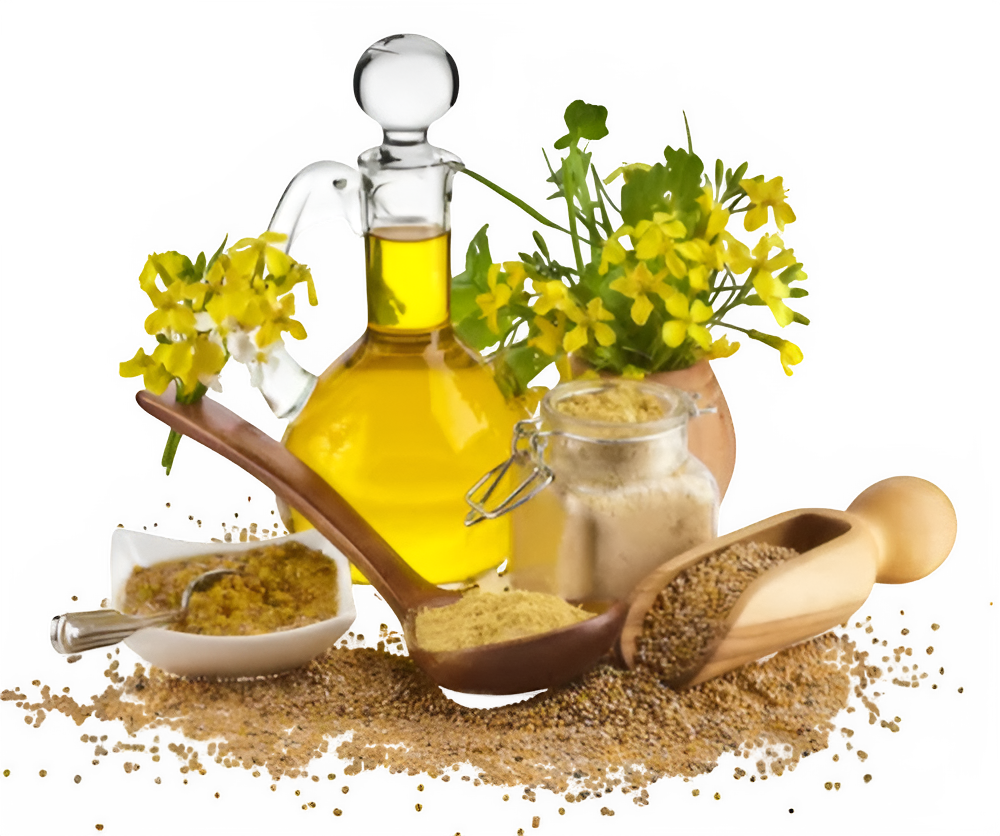
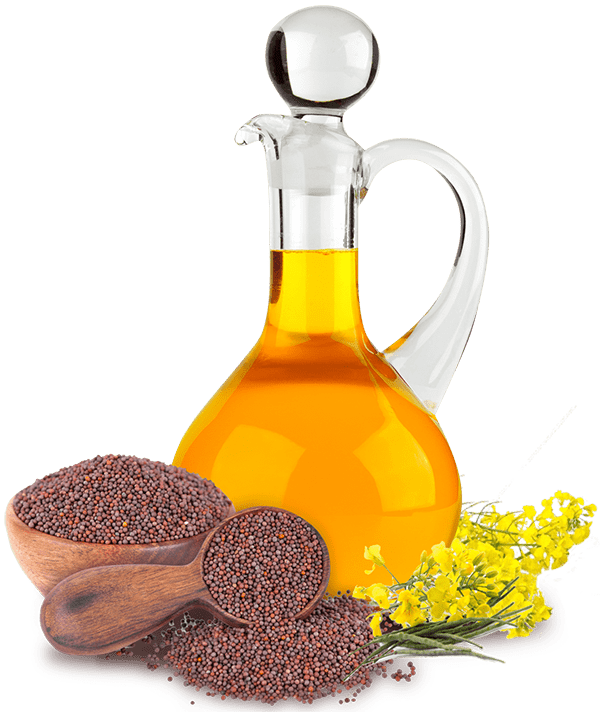
Discover the Bold Flavors of Our Mustard Oil Collection – Pure, Filtered, and Rich! At Golden Drops, we’re more than just a brand – we’re a story of passion, purity, and pride.
Copyright © 2025 Goldendrops. All rights reserved