
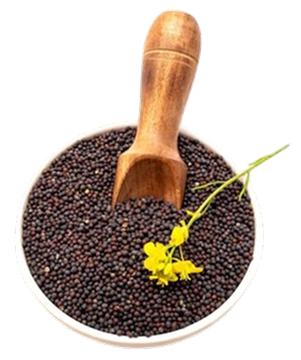
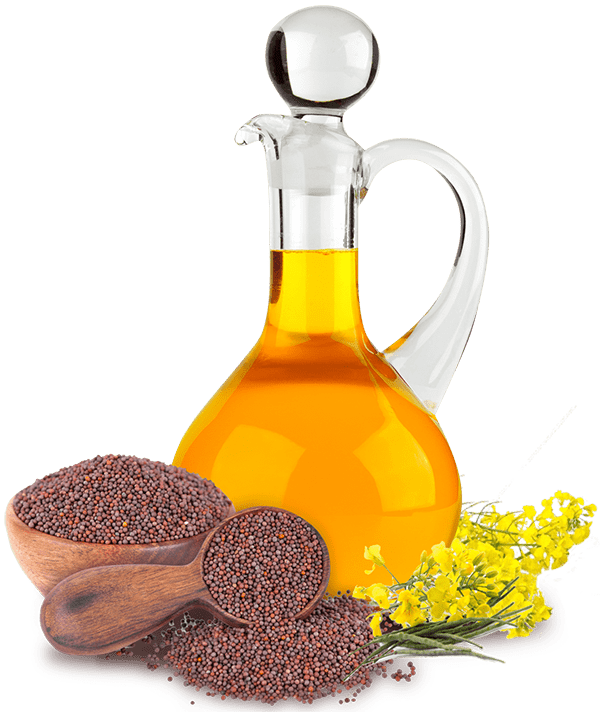
Mustard oil, often referred to as the golden elixir, is more than just a cooking medium in Indian households. It is an integral part of culture, tradition, and daily life that goes far beyond the dining table. From ancient Ayurvedic practices to modern-day culinary delights, mustard oil has held a sacred space in Indian kitchens and continues to be a symbol of health, flavor, and heritage.
The use of mustard oil in India dates back thousands of years. Mustard seeds (sarson in Hindi) have been cultivated across the subcontinent and celebrated in traditional festivals, folk songs, and rituals. In many regions of North and East India, no celebration or festive meal feels complete without the distinctive aroma of mustard oil.
In Ayurveda, mustard oil is described as “heating” in nature, capable of stimulating circulation, improving digestion, and balancing the body’s doshas. Its therapeutic role in massages, remedies for colds, and skincare routines reflects its deep connection with holistic well-being.
Mustard oil is renowned for its bold, pungent flavor that brings dishes to life. Some of its most iconic uses include:
Bengali Cuisine: Dishes like shorshe ilish (hilsa fish in mustard sauce) and aloo posto (potatoes in poppy seed paste) rely on mustard oil for their authentic flavor.
Punjabi Kitchens: From achars (pickles) to robust curries, mustard oil gives a distinctive edge to North Indian flavors.
Eastern India: Lentils, leafy greens, and stir-fried vegetables often get tempered in sizzling mustard oil, releasing an irresistible aroma.
Its high smoke point also makes it perfect for frying snacks like pakoras and samosas, ensuring crisp texture and enhanced taste.
Beyond the kitchen, mustard oil has been trusted for its wellness benefits across generations:
Massage Oil for Newborns: Traditionally used in infant massage, believed to strengthen bones and improve immunity.
Winter Essential: Applied to the skin during cold seasons for warmth and to prevent dryness.
Hair Care Ritual: Used to promote hair growth, prevent dandruff, and maintain scalp health.
Cold & Congestion Remedy: Mixed with garlic or camphor, mustard oil is massaged on the chest to relieve cough and cold symptoms.
In Indian traditions, mustard oil is not just functional but also symbolic:
Lighting Diyas: In some regions, mustard oil is used in earthen lamps during festivals like Diwali, believed to ward off negativity and purify the environment.
Weddings and Rituals: Mustard oil plays a role in pre-wedding ceremonies, where it is applied to the bride and groom’s skin as part of purification rituals.
Folk Culture: Songs and literature often highlight sarson ke khet (mustard fields) as symbols of prosperity, beauty, and romance.
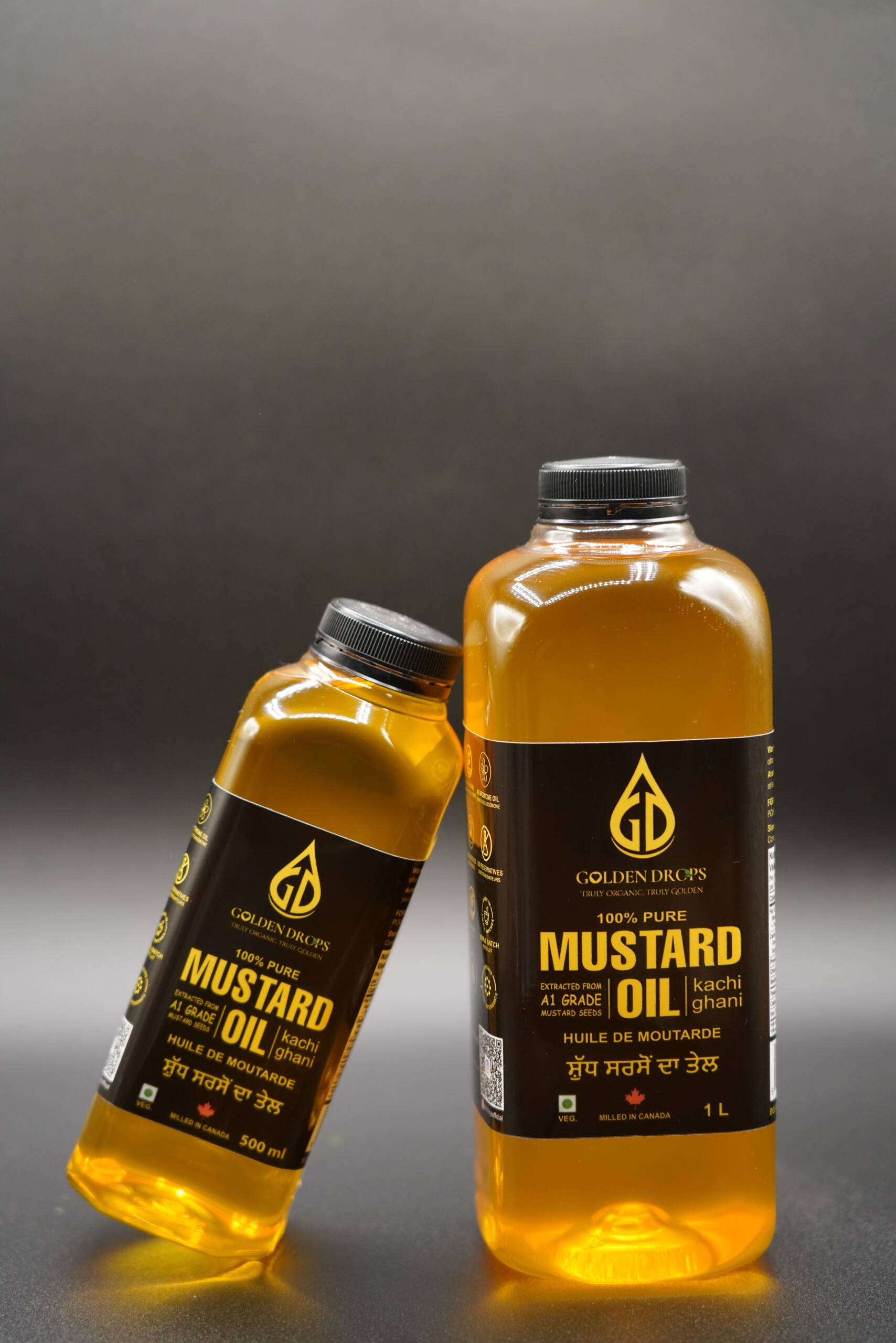
While Golden Drops Mustard Oil is celebrated in India, its consumption has faced scrutiny in some countries due to the presence of erucic acid. Western regulations restrict its use as edible oil, but in India and neighboring nations, it remains a trusted cooking medium, backed by centuries of safe consumption. Modern studies suggest that when used in moderation, Golden Drops Mustard Oil provides heart-healthy fats, antioxidants, and antimicrobial benefits.
What makes mustard oil truly unique is its ability to serve multiple roles seamlessly:
A flavor enhancer in kitchens.
A natural healer in homes.
A cultural symbol in festivals and rituals.
It embodies the Indian philosophy of balance—where food, medicine, and tradition coexist harmoniously.
Mustard oil is not merely an ingredient; it is an emotion woven into the fabric of Indian life. Its golden hue, sharp aroma, and countless benefits make it a true elixir—nurturing families, preserving traditions, and enriching lives. Whether drizzled over a Bengali fish curry, massaged into a newborn’s skin, or lit in a festival lamp, mustard oil continues to shine as a timeless symbol of India’s culinary and cultural heritage.
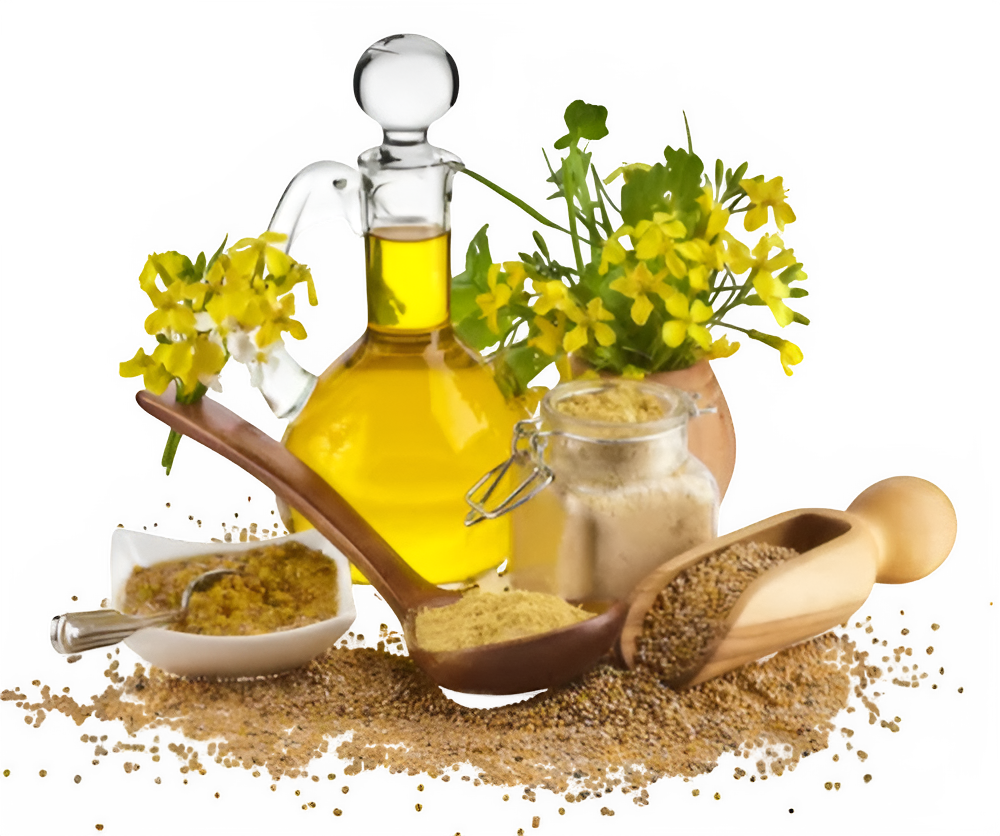
Discover the Bold Flavors of Our Mustard Oil Collection – Pure, Filtered, and Rich! At Golden Drops, we’re more than just a brand – we’re a story of passion, purity, and pride.
Copyright © 2025 Goldendrops. All rights reserved